
How to Choose the Best Apparel Brand for Your Custom Branded Merchandise
Discover how to choose the best apparel brand for your custom merch in Australia. Compare quality, fit, decoration options, and value for business orders.

Written by
Kai Williams
Custom Apparel
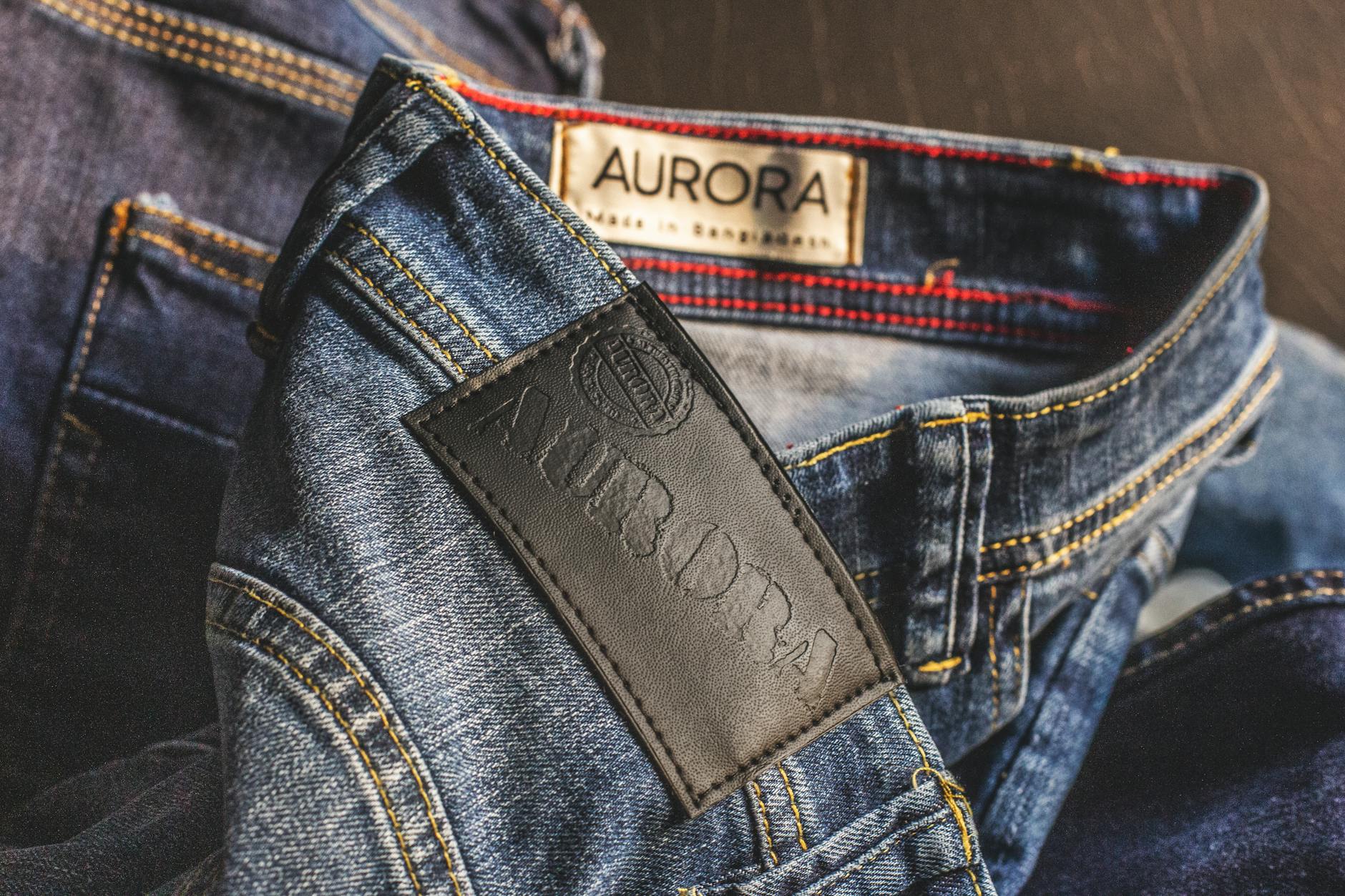
Choosing the right apparel brand for your custom merchandise can feel surprisingly overwhelming. With dozens of wholesale blanks available to Australian businesses — each promising the best quality, the widest colour range, and the most competitive pricing — it’s easy to end up paralysed by choice, or worse, locked into an order you regret. Whether you’re a Sydney-based corporate team kitting out staff for an upcoming conference, a Brisbane sporting club ordering season jerseys, or a Melbourne event organiser sourcing branded t-shirts for a major activation, selecting the best apparel brand for your project is one of the most important decisions you’ll make. Get it right, and your branded merchandise looks sharp, wears well, and reflects your organisation’s values. Get it wrong, and you’re stuck with garments that shrink after one wash, fit awkwardly, or print poorly. This guide breaks down exactly what to look for.
Why the Best Apparel Brand Matters More Than You Think
It’s tempting to focus purely on price when ordering custom branded apparel in bulk. And yes, budget absolutely matters — especially when you’re ordering 200 polo shirts for a Perth mining contractor or 500 tote bags for an Adelaide university open day. But the apparel brand you choose determines far more than the per-unit cost.
The blank garment is the canvas for your brand. A cheap, poorly constructed t-shirt communicates something about your organisation whether you intend it to or not. Thin fabric pills quickly. Misshapen collars look unprofessional after a few washes. Inconsistent sizing causes headaches when you’re trying to order across a team of 50 people spread across different states. On the flip side, a well-chosen garment — the right weight, the right cut, the right fabric blend — elevates your decoration, sits comfortably on a wide range of body types, and creates a lasting impression.
It’s also worth considering that decoration methods interact differently with different fabrics. Screen printing, for example, performs best on a smooth, tightly woven cotton surface. Sublimation printing requires a polyester-rich fabric to bond correctly — you can learn more about how this applies to headwear in our detailed post on sublimation on custom caps in Australia. Embroidery works well on structured garments but can pucker on very lightweight jerseys. Understanding how your chosen decoration method behaves on different fabric compositions is essential before you commit to a brand and a print run.
Key Factors to Evaluate When Comparing Apparel Brands
Fabric Weight and Composition
Fabric weight is measured in GSM (grams per square metre) and it directly affects how a garment feels, drapes, and holds up over time. As a general guide:
- 140–160 GSM — Lightweight, suitable for warm climates like Queensland and the Northern Territory. Good for promotional giveaways where cost is the primary consideration.
- 180–200 GSM — The sweet spot for most corporate and event apparel. Substantial enough to feel quality, light enough for all-day wear.
- 220 GSM and above — Premium weight. Ideal for retail-quality branded merch, hospitality uniforms, and workwear that needs to last.
Fabric composition also matters. 100% cotton is breathable and comfortable, and it takes screen printing exceptionally well. Cotton/polyester blends are more durable, resist shrinkage, and tend to hold their shape better across multiple washes. Performance polyester is the go-to for sportswear and hi-vis applications. Always check fabric composition against your decoration method before finalising an order.
Sizing Consistency and Fit
Australian bodies come in all shapes and sizes, and a brand that fits well across your workforce — or your event attendees — is worth its weight in gold. Some overseas brands size quite small, which can cause significant issues when you’re pre-ordering without the ability to try on. Look for brands that offer a generous size range (ideally XS through to 5XL), publish detailed size guides with actual measurements (not just S/M/L), and maintain consistency between production runs.
For corporate environments, the cut matters too. A boxy unisex t-shirt that works fine for a trade show might look out of place on a client-facing hospitality team. Many brands now offer fitted cuts, ladies’ cuts, and unisex options within the same style — giving you flexibility when ordering across a mixed workforce.
Colour Range and Consistency
Colour availability is often underestimated until you’re trying to match a Pantone colour across 12 garments and discover your chosen brand only offers four basic shades. The best apparel brands for branded merchandise maintain a wide, consistent colour range that can be reliably matched to your brand guidelines. PMS colour matching is more relevant to decoration ink than the garment base colour, but starting with a blank that’s as close to your brand colour as possible reduces risk and improves the final result.
Decoration Compatibility
Not all garments accept all decoration methods equally. If you’re planning embroidery, you need a fabric that’s dense enough to support it without tunnelling. If you’re going full-colour digital print, our quality guide to digital printing for promotional products outlines exactly what fabric surface characteristics you should be looking for. If you’re ordering sublimated workwear for a Darwin outdoor crew, you need fabrics with a high polyester content or the colours simply won’t transfer correctly.
Always discuss your decoration method with your supplier before selecting a blank. A reputable supplier will steer you towards the right garment for your print process, not just the cheapest available option.
Popular Apparel Styles and Which Brand Profiles Suit Them
Corporate Polos and Business Shirts
For corporate environments — think Melbourne financial firms, Canberra government departments, or Brisbane real estate teams — polos are a perennial favourite. The ideal polo for corporate branded merchandise is a 200–220 GSM piqué knit in a fitted cut with a clean collar. Look for brands that offer moisture-wicking options if your team spends time outdoors or in warm environments. Embroidery is the dominant decoration method for corporate polos; it conveys professionalism and durability that screen printing can’t always replicate.
Event and Promotional T-Shirts
High-volume event tees — the kind ordered by the thousands for Gold Coast fun runs, Sydney conference activations, or Melbourne food festivals — are typically ordered at the lower end of the GSM range to keep costs manageable. Here, a 160–180 GSM cotton or cotton/poly blend in a unisex fit is standard. Screen printing is the most cost-effective decoration method for large runs, delivering vibrant, consistent results at scale. You might also want to round out your event merch strategy with items like personalised shopper bags or tote bag design options to complement your apparel range.
Hoodies, Crew Necks, and Outerwear
Fleece-backed hoodies and crew necks have exploded in popularity as premium branded merchandise, especially for universities, tech companies, and sporting clubs. A quality hoodie in the 300–340 GSM range feels genuinely premium and makes a lasting gift. For these garments, embroidery or heat transfer printing tends to produce the best finish — particularly for chest logos and sleeve branding.
Hi-Vis and Safety Workwear
For mining, construction, and infrastructure sectors — heavily represented in Western Australia, Queensland, and South Australia — hi-vis workwear is non-negotiable. Apparel brands that specialise in compliant safety garments must meet AS/NZS 4602.1 standards for high-visibility clothing. This is a specialist area where working with a supplier who understands both the regulatory requirements and the decoration constraints is essential. If your organisation also procures other safety-related promotional items, our post on promotional safety whistles for mining operations in Australia is a useful companion read.
Budget Considerations and MOQs
Understanding how budget and minimum order quantities (MOQs) intersect is crucial when planning a branded apparel order. Most wholesale apparel brands require a minimum order of 12–24 units per style and colour combination for embroidery or screen printing. Digital and heat transfer printing often has lower MOQs, sometimes as few as six units, but unit costs are higher.
Bulk pricing tiers typically kick in at 50, 100, and 250 units, with significant per-unit savings at higher quantities. If your organisation runs regular events or orders uniforms on an ongoing basis, consider whether a standing order arrangement or warehousing solution with your supplier makes sense — it can meaningfully reduce your per-unit cost over time.
Don’t forget to factor in setup fees. Screen printing setup fees typically range from $40–$80 per colour per location. Embroidery digitising is usually a one-time fee of $50–$150 depending on stitch complexity. These costs are amortised across your run, so they become less significant as order quantities increase.
For a broader view of how to build out a complete branded merchandise strategy — beyond apparel — it’s worth exploring areas like sustainable branded water bottles, promotional tech accessories, and our promotional drinkware industry report for Australia to ensure your total merchandise mix is cohesive and cost-effective.
Sustainability and Ethical Sourcing
In 2026, more Australian organisations are scrutinising the environmental and ethical credentials of their branded merchandise partners. The best apparel brands for conscious buyers offer options in organic cotton, recycled polyester (rPET), and GOTS-certified fabrics. Ethical manufacturing certifications — WRAP, Fair Trade, OEKO-TEX — are increasingly being requested by corporates and government clients as part of their procurement requirements.
If sustainability is a priority for your organisation, look for brands that can provide a clear chain of custody for their materials and can demonstrate third-party certification of their factories. Pair sustainable apparel with other eco-conscious merchandise choices — our posts on recycled office supplies in Australia and sustainable branded water bottles offer practical guidance on building a genuinely green merch strategy.
Working With Your Supplier to Get It Right
Even if you know exactly which apparel brand you want to order, the relationship with your merchandise supplier matters enormously. A good supplier will provide pre-production samples so you can assess garment quality and decoration before committing to a full run. They’ll offer honest advice about what will and won’t work with your artwork, flag potential issues with colour matching, and give you realistic turnaround timelines — typically two to three weeks for screen printing or embroidery, longer for complex or large orders.
Ask to see physical stock samples of the specific style and colour you’re ordering. Don’t rely solely on digital product images. Fabric, drape, and colour can look very different on screen versus in person — a detail that can make or break a large corporate order.
Conclusion: Key Takeaways for Choosing the Best Apparel Brand
Selecting the best apparel brand for your custom branded merchandise isn’t a decision to make lightly, but it doesn’t have to be complicated either. Focus on the right combination of quality, fit, decoration compatibility, and value for your specific use case, and you’ll end up with garments that genuinely represent your brand at its best.
Here are the key takeaways to carry into your next order:
- Match fabric weight to purpose — lighter GSM for giveaways and warm climates, heavier GSM for premium gifts and uniforms that need to last.
- Always check fabric composition against your decoration method — the wrong blank can ruin an otherwise great print or embroidery result.
- Prioritise sizing range and consistency — especially for corporate and team orders where you’re ordering across a diverse workforce.
- Factor in setup fees, MOQs, and bulk pricing tiers when calculating your true per-unit cost.
- Consider sustainability credentials — ethical sourcing and eco-certified fabrics are increasingly expected by corporate, government, and not-for-profit clients across Australia.
- Request physical samples before committing — no amount of product photography replaces holding the garment in your hands.