
Company Promotional Items: A Complete Guide for Australian Businesses in 2026
Discover how to choose the best company promotional items for your Australian business. Tips on products, budgets, decoration methods and more.

Written by
Ethan Kowalski
Corporate Gifts
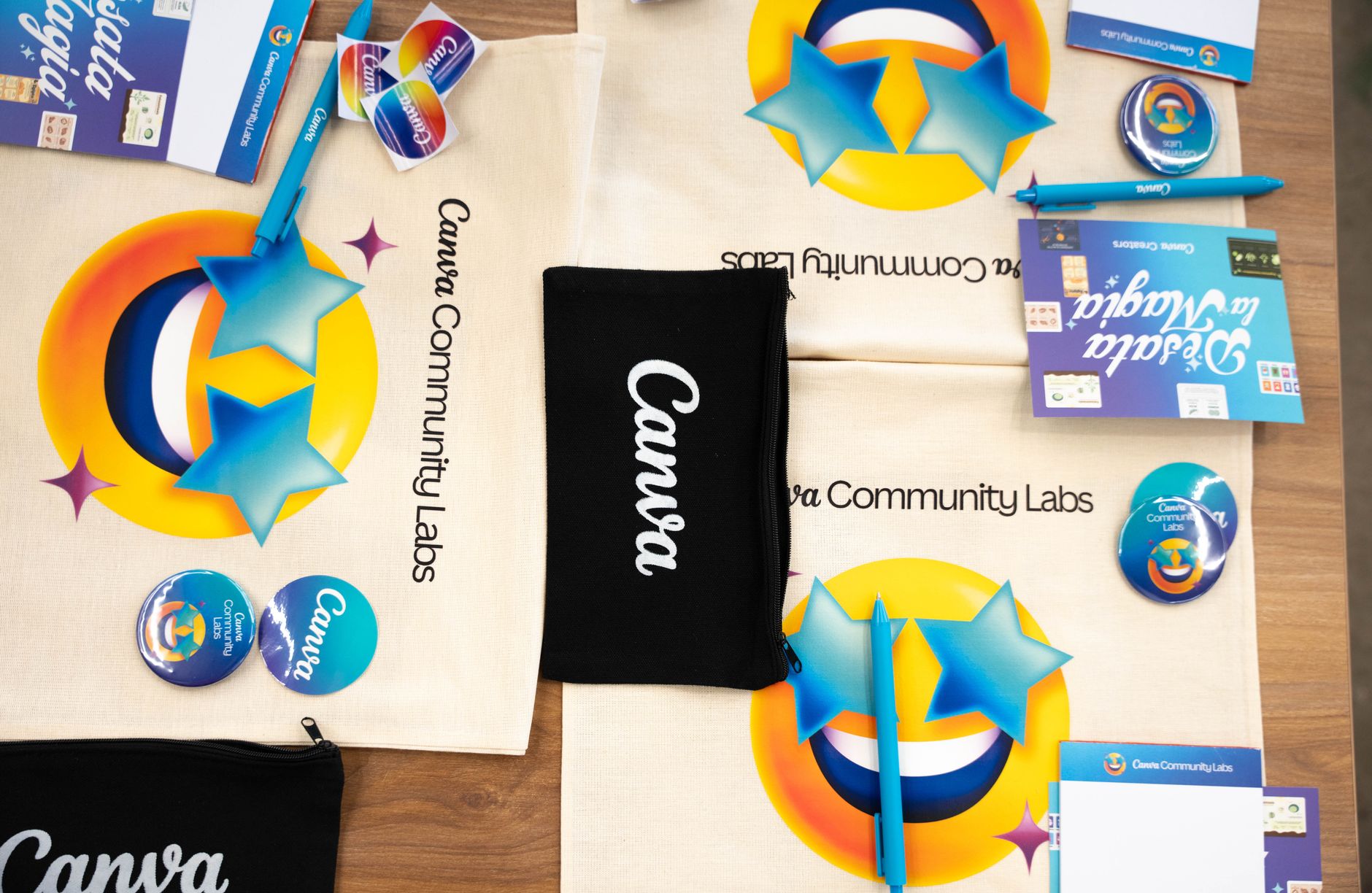
Choosing the right company promotional items can feel overwhelming — especially when you’re juggling event deadlines, budget approvals, and the pressure to make a lasting impression. Whether you’re gearing up for a Sydney trade show, outfitting a Melbourne corporate team, or putting together gift packs for a Brisbane client event, the decisions you make about branded merchandise directly affect how your organisation is perceived. Done well, promotional products are one of the most cost-effective and memorable forms of marketing available to Australian businesses today. This guide walks you through everything you need to know to plan, order, and distribute company promotional items with confidence.
Why Company Promotional Items Still Deliver Real Results
In a world dominated by digital advertising, it might surprise you to learn that physical branded products continue to outperform many online channels in terms of recall and engagement. Research consistently shows that recipients of promotional products remember the brand, feel positively towards the giver, and are more likely to do business with them in the future. Unlike a social media ad that disappears in seconds, a quality branded item sits on someone’s desk, travels in their bag, or gets worn on their back — working as a mobile advertisement for your brand every single day.
Understanding why brand matters to your organisation is the first step towards investing in promotional merchandise strategically rather than just reactively. When your logo appears on a product someone genuinely uses and values, you’re building brand equity in a tangible, everyday way.
There’s also a practical aspect to consider. For businesses looking to increase brand awareness in competitive markets, promotional products offer a physical touchpoint that digital channels simply can’t replicate. That’s a compelling argument for keeping them central to your marketing mix.
What Types of Company Promotional Items Work Best?
The honest answer is: it depends on your audience, your budget, and your goals. But some product categories consistently outperform others in terms of perceived value, usability, and brand recall. Let’s break down the most popular and effective options available to Australian businesses.
Branded Apparel and Workwear
Custom clothing is among the most powerful promotional tools available. When your team wears branded gear, they become walking ambassadors for your business. Promotional clothing covers everything from casual event t-shirts to polished corporate uniforms.
For corporate teams and client-facing staff, working polo shirts strike the ideal balance between professionalism and comfort. They’re versatile across industries — equally suited to a Perth real estate agency, a Canberra government department, or a Gold Coast hospitality group. If you’re looking for trusted apparel options, exploring different polo brands can help you find the right quality tier for your budget.
For events, team days, or charity fundraisers, Gildan t-shirts remain a popular, cost-effective choice. They’re available in a wide range of colours, sizes, and fits, and they hold printed or embroidered decoration beautifully. For sports events or fitness-focused campaigns, purpose-built sportswear with logo decoration takes presentation up a notch.
Drinkware and Keep Cups
Branded drinkware is consistently among the most-used and most-appreciated promotional product categories. People use a good water bottle or coffee cup every single day — which means your brand gets daily exposure in offices, gyms, cafes, and commutes.
Promotional drink bottles are a staple for corporate welcome packs, conference bags, and staff onboarding kits. If you’re looking for something a bit more premium, personalised plastic water bottles can be tailored to your brand colours and logo with impressive precision.
Promotional coffee cups — particularly reusable keep cups — have surged in popularity as sustainability becomes a genuine priority for Australian businesses and their audiences. A well-branded reusable cup handed out at a Sydney conference or included in a Melbourne client gift hamper sends a clear message: your brand cares about quality and the environment.
Bags and Totes
Bags are a high-visibility promotional item because they’re used in public spaces — which means your logo travels well beyond the original recipient. Printable tote bags are a cost-effective option that works brilliantly for retail, events, and community-focused campaigns. They’re also increasingly popular as an eco-conscious alternative to single-use plastic bags, which resonates strongly with today’s audiences.
Tech Accessories
Tech products punch well above their weight when it comes to perceived value. A power bank or portable charger is something professionals genuinely appreciate — particularly at conferences, trade shows, or during travel. Similarly, promotional USB drives remain relevant in industries where file sharing and data storage are everyday necessities, such as real estate, healthcare, and education.
Specialty and Unique Items
Sometimes it’s the unexpected items that generate the most conversation. Custom LED light signs make a bold statement in retail environments, office receptions, or hospitality venues. Personalised stubby holders are a crowd favourite for outdoor events, sporting clubs, and casual corporate gatherings in warmer states like Queensland and Western Australia. For branded apparel with a creative twist, iron-on embroidered patches offer a distinctive, fashion-forward customisation option.
How to Plan and Budget for Promotional Items
The most successful promotional merchandise campaigns don’t happen by accident — they’re the result of clear planning, realistic budgets, and smart product selection. Here’s a practical framework to follow.
Define Your Goals First
Are you trying to reward loyal customers, attract new leads, build team culture, or make a splash at an expo? Each goal points towards different product choices. A promotional product giveaway at a trade show calls for lower-cost, high-volume items that are easy to distribute. A VIP client gift, on the other hand, justifies a higher per-unit spend on something premium and memorable.
Understand Minimum Order Quantities
Most promotional product suppliers work with minimum order quantities (MOQs), which typically range from 25 to 100 units depending on the product and decoration method. Some items — particularly those requiring custom moulds or complex decoration — carry higher MOQs. It’s worth clarifying this upfront so there are no surprises when you’re ready to order.
Budget Realistically
A general rule of thumb for Australian businesses: plan to spend between $5 and $15 per unit for everyday promotional items, and $20 to $50+ for premium gifts or executive-level pieces. Volume drives pricing down significantly, so ordering in bulk almost always makes financial sense if you have ongoing needs.
Don’t forget to factor in setup fees (often $30–$80 per colour or position), freight costs, and any artwork preparation fees if your logo needs reformatting for print or embroidery.
Allow Sufficient Lead Time
Turnaround times vary by product and complexity, but most standard promotional items take between 7 and 15 business days from artwork approval to dispatch. During peak periods — end of financial year, Christmas, conference season — lead times can stretch further. If you’re ordering for a specific date, always build in a buffer of at least a week.
Decoration Methods: Choosing the Right Technique
The decoration method you choose affects both the final look and the longevity of your branded item. Here’s a quick overview of the most common options:
- Screen printing – Ideal for flat surfaces like t-shirts, tote bags, and notebooks. Best for bold, single or limited-colour designs.
- Embroidery – Premium finish for polos, caps, and fleece. Durable and professional-looking.
- Sublimation – Allows full-colour all-over printing on polyester apparel and drinkware. Exceptional for vibrant, photographic designs.
- Laser engraving – Permanent and precise on metal, timber, and leather items. Perfect for premium gifts and awards.
- Pad printing – Widely used for pens, power banks, USBs, and other hard-surfaced items.
- Digital printing – Great for short runs and complex, full-colour designs on a range of substrates.
Choosing the right method matters. Embroidery on a cotton polo will outlast a heat-transferred logo by years. Sublimation on a ceramic mug delivers vivid colour that resists fading. If longevity and quality matter to your brand — and they should — take the time to match the decoration method to the product and end use.
Working With a Promotional Products Supplier
Finding a reliable supplier is arguably the most important step in the process. Look for someone who provides digital proofs before production, offers genuine product samples, and has clear turnaround time commitments. Strong communication matters enormously — particularly if you’re working to a tight deadline for an event.
If you’re sourcing items for trade show or expo distribution, exploring promo trade options can help you understand wholesale pricing structures and what to expect from bulk orders. And if you’re looking for keepsakes and longer-lasting branded pieces, understanding what makes for items people actually keep is worth thinking through carefully.
Conclusion: Key Takeaways for Choosing Company Promotional Items
Planning your company promotional items doesn’t need to be stressful. With the right approach, it’s an opportunity to reinforce your brand values, delight your audience, and create tangible connections that digital marketing simply can’t match. Here are the key things to remember:
- Match the product to your audience — a reusable keep cup suits a sustainability-focused brand; a premium power bank suits a tech-forward corporate audience.
- Plan well ahead of your event or campaign — allow at least two to three weeks from briefing to delivery for standard items.
- Don’t overlook decoration method — the technique used to apply your logo significantly affects how your brand looks and how long it lasts.
- Budget for the full picture — include setup fees, freight, and potential artwork costs alongside per-unit pricing.
- Prioritise quality over quantity — a smaller number of well-made, genuinely useful items will generate more goodwill than a large volume of cheap, forgettable ones.
Investing thoughtfully in company promotional items is one of the smartest brand-building moves an Australian business can make. Get the product right, get the decoration right, and your logo will be in front of the right people for months — or even years — to come.