
Iron On Embroidered Patches: The Complete Guide for Businesses and Teams
Discover how iron on embroidered patches work, when to use them, and how to order them for your brand, team, or event in Australia.

Written by
Mia Chen
Branding & Customisation
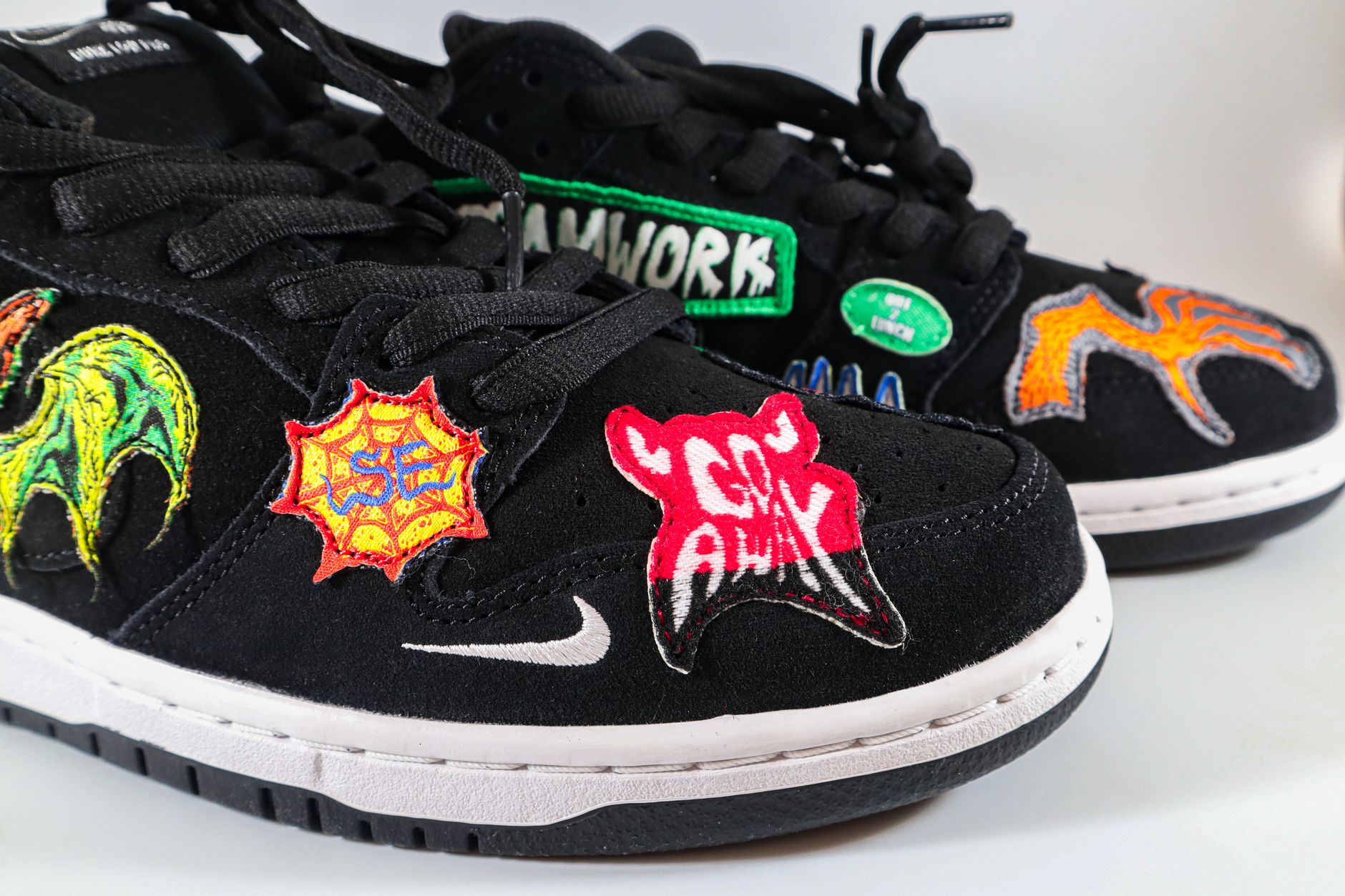
Iron on embroidered patches have made a remarkable comeback — and not just in fashion circles. Across Australia, businesses, sporting clubs, schools, and event organisers are discovering just how versatile and cost-effective these small but mighty branding tools can be. Whether you’re kitting out a corporate team in Sydney, adding flair to merchandise for a Brisbane trade show, or producing branded uniforms for a Melbourne sporting association, iron on embroidered patches offer a flexible, professional, and surprisingly affordable way to get your logo or design onto almost any fabric surface. This guide breaks down everything you need to know before you place your first order.
What Are Iron On Embroidered Patches?
At their core, embroidered patches are pre-made fabric pieces featuring a stitched design — your logo, mascot, text, or artwork — produced using commercial embroidery machines. The “iron on” element refers to a heat-activated adhesive backing that’s applied to the rear of the patch, allowing it to bond directly to fabric when pressed with a household or industrial iron.
This is different to standard custom embroidered patches that may be designed for sew-on application only. Iron on variants offer the same quality finish but with far greater convenience, particularly for end-users who want to apply patches themselves without specialist equipment.
The embroidery itself is created using multiple thread colours stitched in tight, overlapping patterns. The result is a raised, textured design with exceptional detail — far more tactile and premium-looking than a printed transfer or woven label. This is a big part of why they remain such a popular decoration choice for organisations that want to convey quality and longevity in their branded merchandise.
How the Iron On Backing Works
The backing is typically a thermoplastic adhesive that softens when heat is applied. When you press a hot iron (usually set between 150°C and 180°C) firmly onto the patch for 15 to 30 seconds, the adhesive melts slightly and bonds to the fibres of the garment beneath. Once cooled, it creates a secure hold.
It’s worth noting that iron on patches work best on natural and semi-synthetic fabrics like cotton, denim, canvas, and poly-cotton blends. Delicate fabrics, waterproof shells, or synthetic performance materials may not bond reliably, and heat-sensitive garments can be damaged during application. For these situations, most suppliers can produce patches with both iron on and sew-on capability, allowing recipients to have them professionally stitched for a permanent result.
Why Businesses and Organisations Are Choosing Iron On Embroidered Patches
The appeal goes well beyond convenience. There are some genuinely practical reasons why iron on embroidered patches have become a go-to solution for Australian organisations with branding and uniform needs.
Flexibility Across Multiple Applications
One of the standout advantages of patches over direct embroidery is flexibility. When you embroider a design directly onto a garment, that decoration is permanent and tied to that specific item. With patches, your embroidered design can be produced as a standalone asset and applied to a wide range of items — jackets, caps, bags, aprons, tote bags, hats, and more — without needing to run each item through a separate embroidery machine.
This makes patches an excellent choice when you’re working with a mix of product types. A Gold Coast surf school, for example, might want their logo on polo shirts, bucket hats, and staff lanyards — producing a single batch of patches and applying them across all items is often faster and more economical than setting up individual embroidery jobs for each product type.
Budget-Friendly Bulk Production
Patch production benefits significantly from economies of scale. Once your design is digitised and your order is placed, the cost per unit drops considerably as quantities increase. For organisations ordering in the hundreds — say, a Perth sporting club producing patches for 200 player jerseys — the per-unit price can be extremely competitive compared to direct embroidery on each individual garment.
Setup and digitisation fees are typically a one-time cost, meaning reorders become even more affordable over time. This is particularly appealing for organisations that run seasonal events, annual conferences, or recurring merchandise drops where the same patch design is needed year after year.
A Tactile, Premium Brand Impression
In the branded merchandise space, perceived quality matters enormously. Understanding why brand matters to your organisation is essential context here — and patches can play a meaningful role in communicating that brand positioning. The raised, textured feel of embroidered thread communicates craftsmanship and durability in a way that printed transfers simply cannot match. For corporate clients who want their branded workwear or giveaway items to feel premium, patches are a smart choice.
They also hold up exceptionally well over time. Unlike screen-printed or heat-transfer designs that can crack, fade, or peel after repeated washing, embroidered patches maintain their appearance for the life of the garment. This longevity makes them particularly well-suited for workwear, uniforms, and any branded apparel that’ll see frequent use and laundering.
Design Considerations for Iron On Embroidered Patches
Getting your design right before production is critical. Embroidery has its own set of constraints that differ from digital printing, and understanding these will save you time and money.
Keep It Bold and Clear
Fine detail is the enemy of good embroidery. Very thin lines, tiny text (typically under 4mm in height), and highly intricate artwork can become lost or distorted when translated into stitched thread. The best patch designs feature bold shapes, clean lines, and limited colour palettes — typically no more than six to eight thread colours for optimal results.
Logos that rely heavily on gradients or photographic elements will need to be adapted for embroidery. A good supplier will walk you through this process during artwork review and may suggest simplifications that preserve your brand identity while ensuring the patch looks sharp in production.
Choosing the Right Patch Shape and Size
Patches come in a wide range of shapes — circles, shields, rectangles, die-cut custom shapes, and more. The shape should complement your design and its intended placement. A circular patch, for instance, works well on the sleeve of a jacket, while a horizontal rectangle suits chest placement or the front panel of a cap.
Size matters too. Standard patches for garments typically range from 5cm to 10cm in diameter or width, though custom sizes are available. Consider where the patch will sit and how it will look proportionally on the item before finalising your dimensions.
Colour Matching and Thread Selection
Thread colours are matched to Pantone (PMS) references wherever possible, allowing you to maintain consistency with your existing brand palette. Always supply your brand colour codes to your merchandise supplier during the artwork stage, and request a pre-production sample or digital proof before approving your full order.
How to Order Iron On Embroidered Patches in Australia
The ordering process for iron on embroidered patches is fairly straightforward, but there are a few key steps to be aware of to ensure a smooth experience.
Minimum Order Quantities
Most Australian suppliers work with minimum order quantities (MOQs) for custom patches, which typically start at around 50 to 100 units. Some suppliers offer lower MOQs for simple designs, but economy of scale means the cost per unit drops substantially once you’re ordering 200 or more. For event organisers or businesses placing large-scale orders, this is rarely an issue — but smaller teams should factor this into their planning early.
Artwork Requirements
To produce quality patches, your supplier will need vector artwork (AI, EPS, or high-resolution PDF) for digitisation. If you only have a raster image (JPG or PNG), most suppliers can recreate your artwork as a vector for a small additional fee. The digitisation process — converting your artwork into a machine-readable stitch file — is typically charged as a one-off setup fee and is carried over into future reorders at no additional cost.
Turnaround Times
Standard production for custom iron on embroidered patches in Australia typically runs between 10 and 20 business days after artwork approval, depending on order volume and supplier capacity. If you’re working to a tight deadline — say, for a Canberra government department conference or an Adelaide corporate awards night — always confirm lead times upfront and factor in domestic shipping time. Rush production options may be available at an additional cost.
Sampling Before Full Production
For larger orders, requesting a pre-production sample is strongly recommended. A physical sample allows you to assess thread colours, patch quality, backing adhesion, and overall appearance before committing your full budget to production. This small step can save significant headaches — and rework costs — down the line.
Creative Ways Businesses Are Using Iron On Embroidered Patches
Beyond the obvious uniform and workwear applications, Australian businesses and organisations are finding genuinely creative uses for custom patches. Event merchandise is one area where patches shine — they’re lightweight, easy to post, and make excellent keepsakes that attendees are likely to keep and display long after your conference or expo has wrapped up.
Patches also pair beautifully with other branded products. Combining a set of custom patches with branded power banks and chargers as a conference gift pack, for example, creates a memorable and practical bundle that hits multiple touchpoints. Building a thoughtful merchandise mix is a proven strategy for increasing brand awareness well beyond the initial event.
For corporate teams, patches offer a practical solution when staff are working across different locations — Darwin, Hobart, and everywhere in between — and need consistent branded apparel without the logistical complexity of shipping embroidered uniforms to every site. Sending a batch of patches with a simple iron-on instruction card puts the branding in the hands of the team while keeping overheads low.
Key Takeaways
Wrapping up, here’s what to keep in mind as you consider iron on embroidered patches for your next branded merchandise project:
- Design for embroidery from the start — bold, clear artwork with limited colours will produce the best results and avoid costly rework during digitisation.
- Plan your quantities carefully — MOQs mean patches are best suited to orders of 50 units or more, and bulk pricing makes larger runs significantly more cost-effective.
- Factor in lead times — standard production typically takes 10 to 20 business days, so build buffer time into any event or campaign deadline.
- Request a pre-production sample for large orders to confirm quality, colour accuracy, and adhesive performance before full production begins.
- Think beyond uniforms — iron on embroidered patches work brilliantly as event merchandise, gift pack inclusions, and versatile branding assets that can be applied across a wide range of fabric products.
Whether you’re a corporate team in Melbourne building out a premium uniform program, or an event organiser in Sydney looking for a memorable and practical piece of merchandise, iron on embroidered patches are worth serious consideration. They combine visual impact, tactile quality, and practical flexibility in a way that few other decoration methods can match.